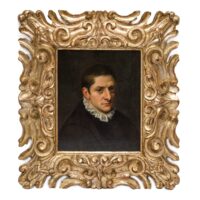

Portrait of a Gentleman
- Period
- Circa 1600 - 1630
- Origin
- Netherlands
- Dimensions
- W 16" (frame 31 1/4")" × H 20 1/2" (frame 35")"
- Reference
- #Marh2598
This piece has been sold. It is shown here for reference in our archive.
Description
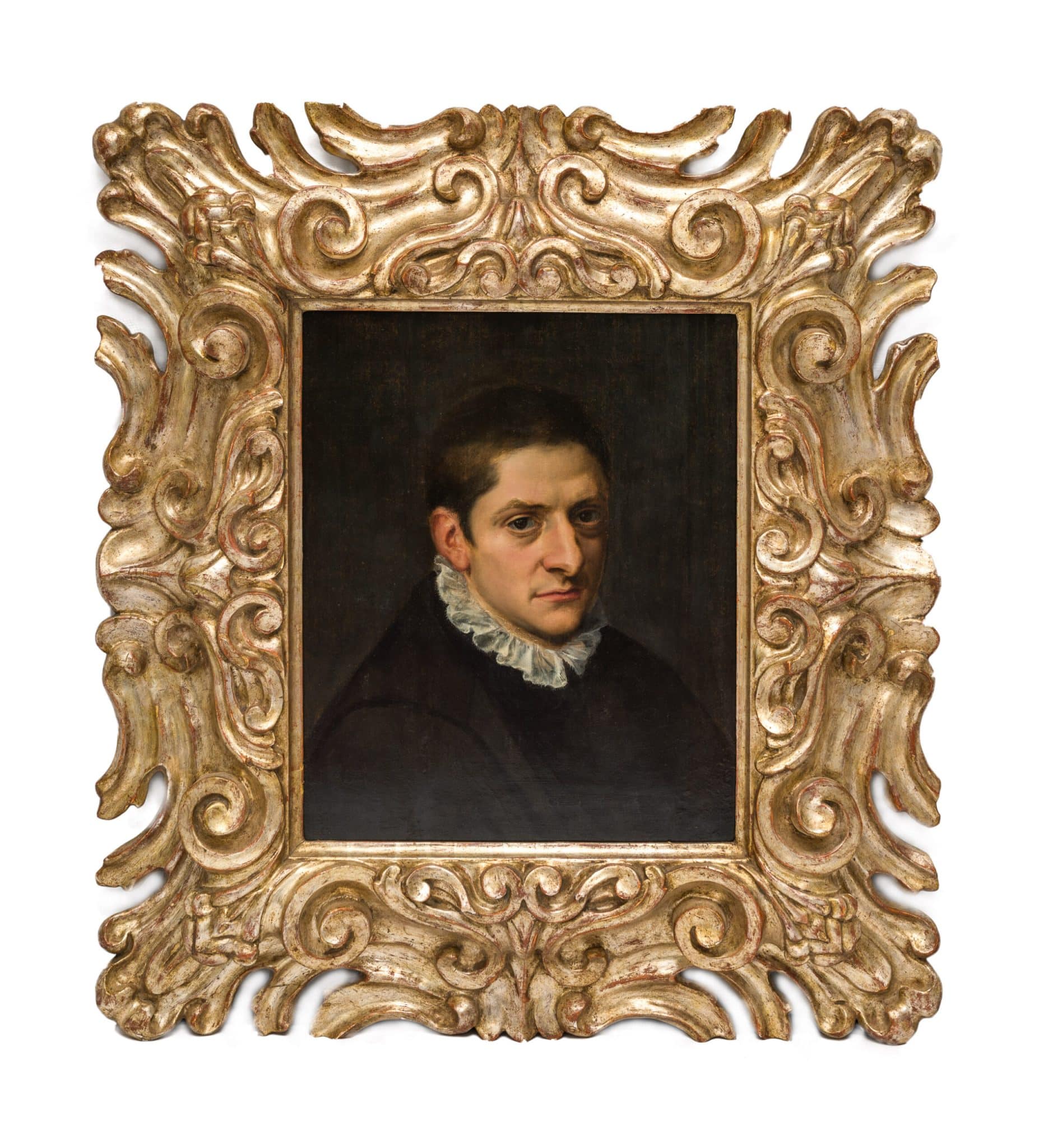
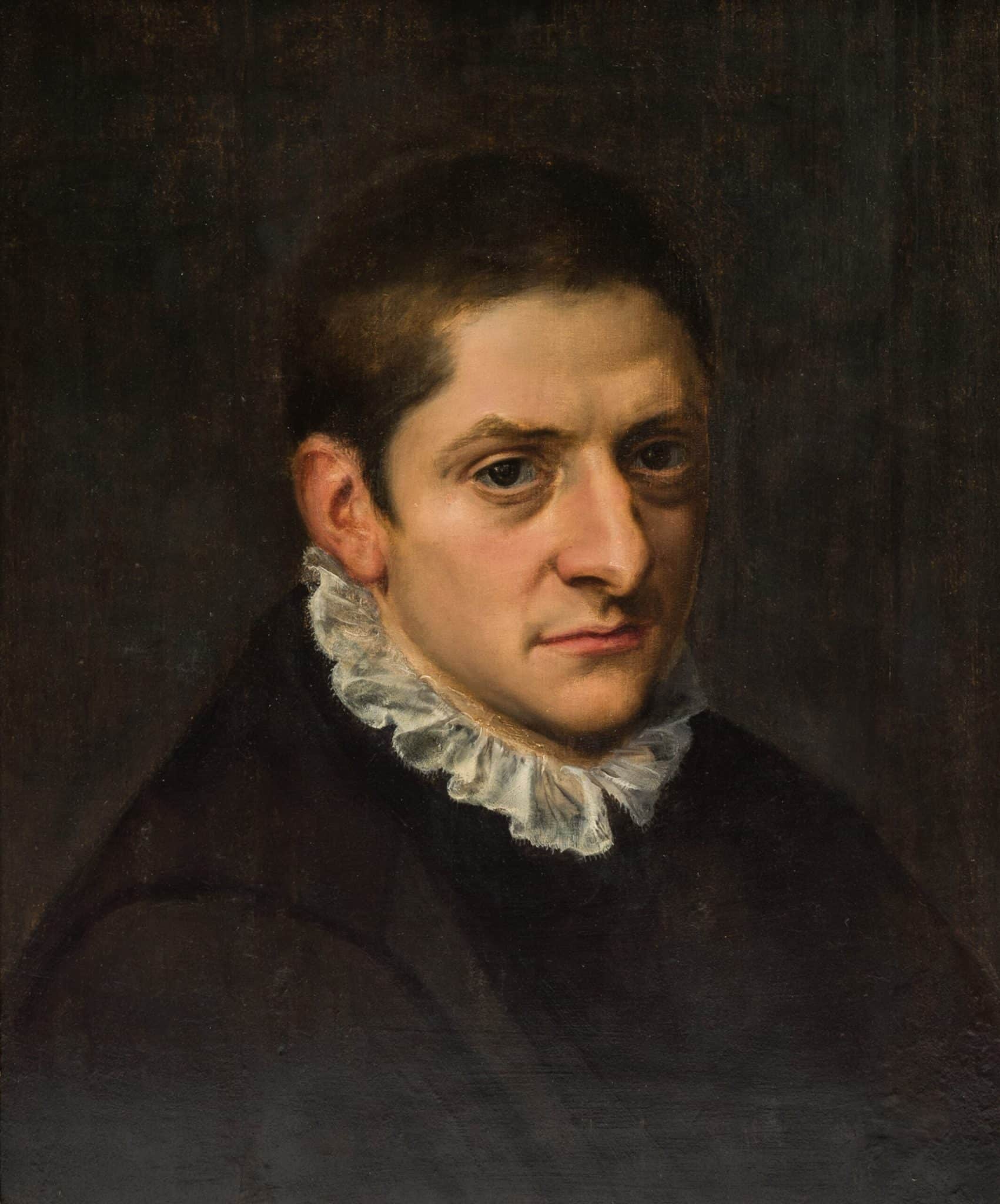
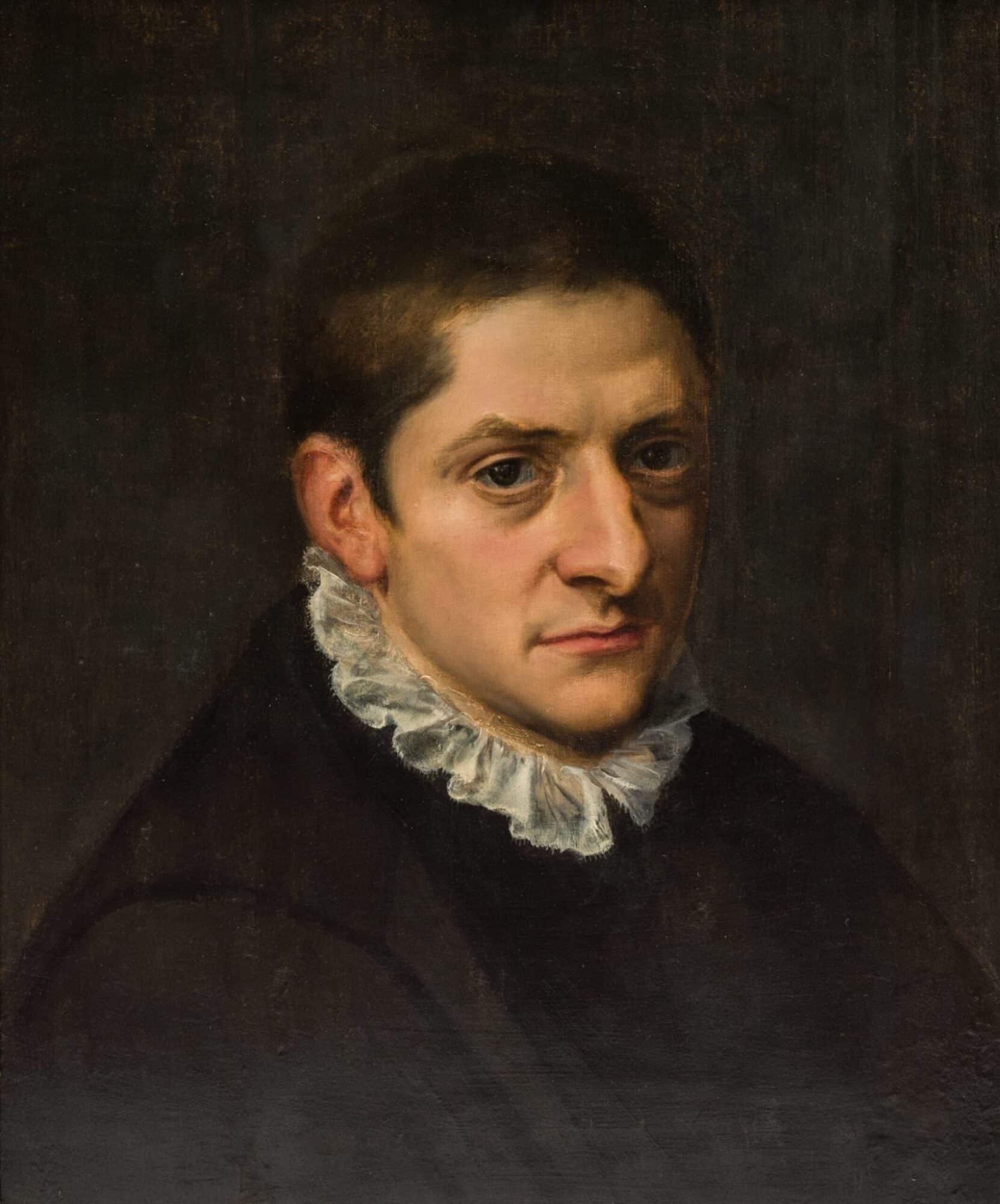
Early 17th century Dutch School, this finely painted portrait of a young gentleman exemplifies the refined portraiture of the early 17th century Dutch School. The sitter is presented half-length against a dark, plain background, his sober black doublet offset by a crisply starched white ruff collar. The careful modelling of the features, with strong attention to the nose, brow, and lips, reflects the Netherlandish concern with capturing both likeness and character. His direct yet contemplative gaze is characteristic of the period’s restrained humanism, in which individual identity was conveyed with subtle gravitas rather than overt display.
The use of oil on panel — either walnut or limewood — was typical of Northern European practice around 1600, preceding the more general adoption of canvas supports later in the century. The cool tonal modelling and subdued palette suggest the influence of leading portraitists active in the Netherlands in the first three decades of the 17th century, such as Michiel Jansz. van Mierevelt (1566–1641) and his contemporaries, who supplied portraits for a growing merchant and civic elite eager to project dignity and social standing.
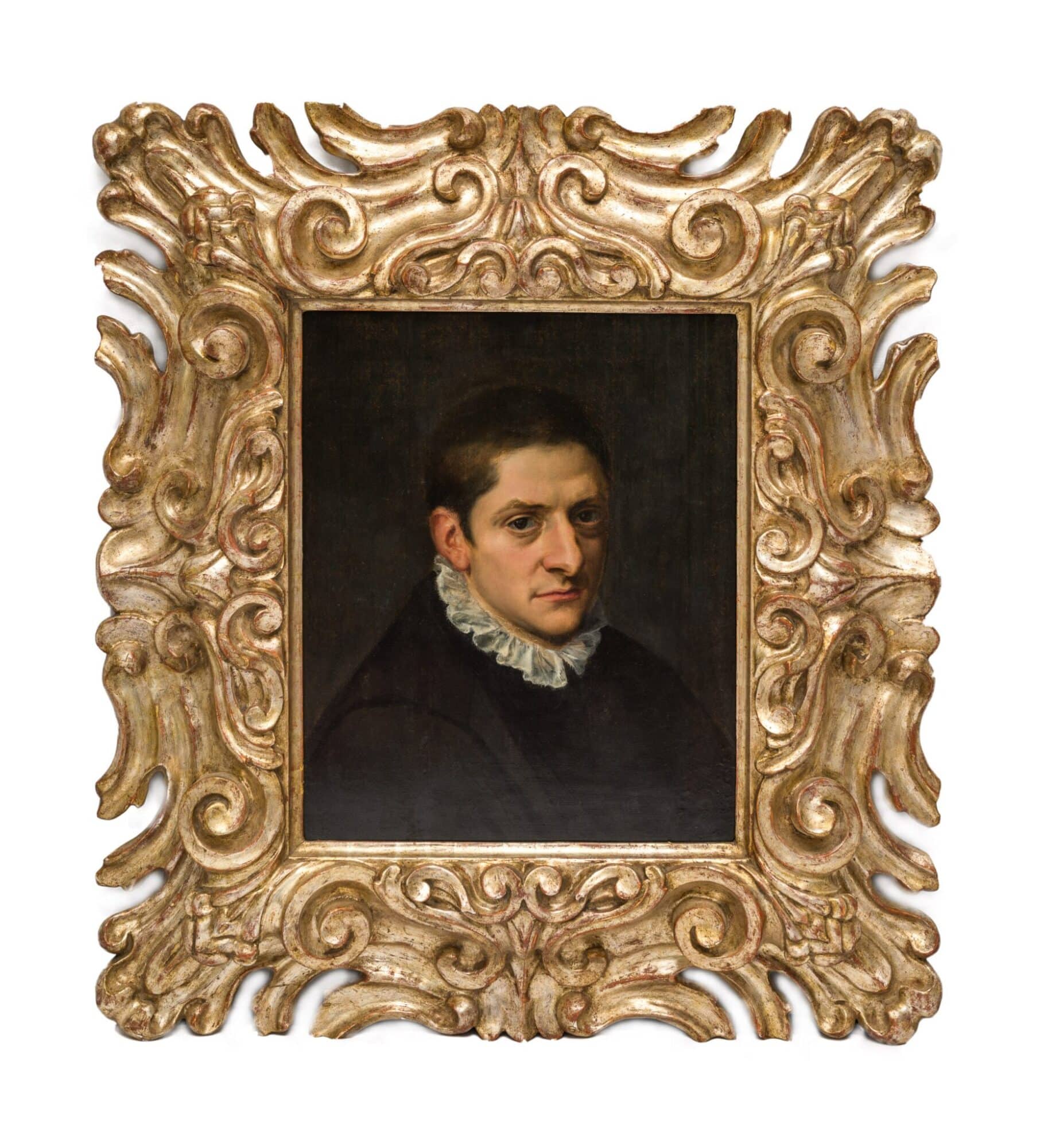
Of particular note is the survival of the painting within its highly elaborate auricular-style frame. The frame, carved with bold strapwork, volutes, and organic scrolls, is richly gilded and displays the fluid, almost sculptural quality associated with early 17th century Dutch and North German carving. Such frames, now increasingly scarce, were luxury objects in their own right, often commissioned specifically to complement a portrait of status.
This portrait, dating to circa 1600–1630, belongs to the transitional moment when Dutch portraiture was moving away from the stiff formality of the late 16th century towards a more naturalistic and psychologically engaging representation of the sitter. Its combination of sober attire, finely worked physiognomy, and rare contemporary frame make it an object of considerable historical and aesthetic importance.